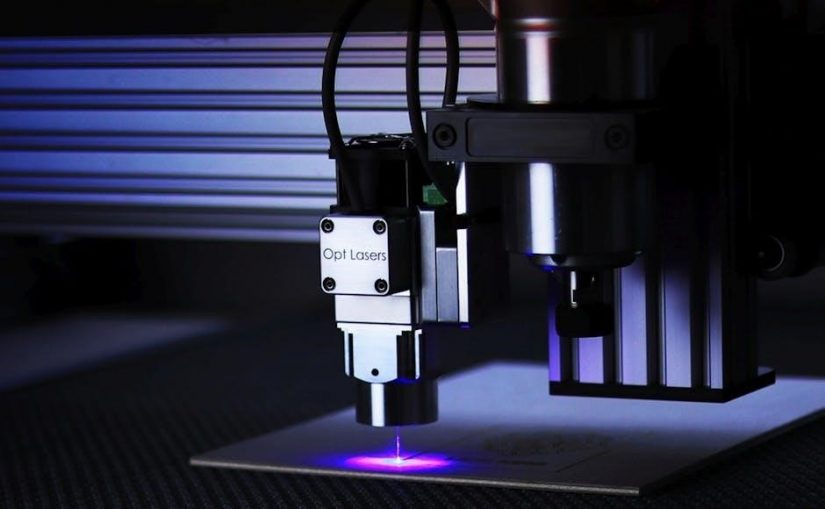
Renishaw Probe Programming Manual PDF: A Comprehensive Guide
Unlock efficiency! This guide simplifies workflows and boosts productivity with your new Renishaw probe, offering crucial information and troubleshooting insights․
Renishaw probes represent a significant advancement in precision measurement, utilized extensively across CNC machining, inspection, and reverse engineering applications․ Mastering their programming is crucial for maximizing machine tool performance and achieving accurate results․ This introduction delves into the core functionalities and programming concepts associated with Renishaw probe systems․
Effective probe utilization demands a thorough understanding of coordinate systems, calibration procedures, and tool offset management․ The Renishaw Probe Programming Manual PDF serves as an indispensable resource, providing detailed guidance on these essential aspects․ It empowers users to unlock the full potential of their probing systems, streamlining workflows and enhancing overall productivity․ Compatibility across various devices ensures accessibility for all operators․
Understanding the Importance of the Manual
The Renishaw Probe Programming Manual PDF isn’t merely a reference guide; it’s a critical component for successful probe integration and operation․ It provides detailed instructions, troubleshooting steps, and safety precautions essential for preventing costly errors and machine damage․ Without it, users risk inaccurate measurements, inefficient workflows, and potential collisions․
This manual unlocks the full capabilities of your Renishaw probe, simplifying complex tasks and boosting productivity․ It details crucial requirements and offers valuable insights into common issues․ Accessing and understanding this document ensures optimal performance and allows operators to confidently navigate the intricacies of probe programming, maximizing return on investment․
Probe Types & Applications
Explore diverse Renishaw models – SP600, OSP60, RMP600 – and their applications in CNC machining, inspection processes, and reverse engineering projects․
Overview of Different Renishaw Probe Models (e․g․, SP600, OSP60, RMP600)
Renishaw offers a spectrum of probe technologies tailored for diverse applications; The SP600 is a versatile scanning probe ideal for form and position measurement, boasting exceptional accuracy and speed․ OSP60 optical probes deliver non-contact inspection, perfect for delicate surfaces and high-speed scanning․
For rotational probing and complex part inspection, the RMP600 provides unparalleled flexibility․ Each model integrates seamlessly with CNC machines, enhancing inspection capabilities․ Understanding the specific strengths of each probe – scanning, optical, or rotational – is crucial for optimal performance․ The programming manual details the unique parameters and functionalities of each, ensuring users can leverage their full potential for precise and efficient measurement routines․ Choosing the right probe significantly impacts accuracy and cycle time․
Applications in CNC Machining, Inspection & Reverse Engineering
Renishaw probes revolutionize CNC workflows across multiple disciplines․ In CNC machining, they enable in-process measurement, correcting tool wear and ensuring dimensional accuracy․ For inspection, probes automate complex measurements, drastically reducing cycle times and improving quality control․ They verify part dimensions against CAD models with exceptional precision․
Reverse engineering benefits immensely from Renishaw’s capabilities, allowing for the accurate capture of complex geometries․ The programming manual guides users through routines for digitizing parts, creating CAD models from physical objects․ These applications demand a thorough understanding of probe programming, ensuring reliable data acquisition and analysis․ Mastering these techniques unlocks significant productivity gains and enhanced manufacturing processes․
Accessing the Renishaw Probe Programming Manual PDF
Find your guide! Access the official PDF via Renishaw’s website or explore third-party resources, but exercise caution regarding potential risks․
Official Renishaw Website & Download Locations
Direct access is best! The primary and most reliable source for the Renishaw Probe Programming Manual PDF is the official Renishaw website․ Navigate to their resources section, specifically the documentation area dedicated to probing systems․ You’ll typically find a comprehensive library categorized by probe model (SP600, OSP60, RMP600, etc․) and controller type․
Look for a dedicated “Downloads” or “Documentation” link associated with your specific Renishaw probe․ Registration may be required to access certain documents, ensuring you receive the latest revisions and updates․ Renishaw frequently updates its manuals to reflect software enhancements and new features․ Always prioritize downloading from the official source to guarantee accuracy and avoid potentially outdated or compromised files․ Direct links can often be found through targeted searches on the Renishaw website using keywords like “probe programming manual PDF” and your probe model number․
Third-Party Resources & Potential Risks
Caution advised! While numerous third-party websites may offer Renishaw Probe Programming Manual PDFs, exercising extreme caution is crucial․ These sources often host outdated, incomplete, or even malicious files․ Downloading from unofficial sites carries the risk of viruses, malware, and inaccurate information that could damage your CNC machine or compromise your inspection processes․
Verify the source’s reputation before downloading․ Forums and user groups can sometimes provide links, but always double-check against the official Renishaw documentation․ Prioritize the official Renishaw website for the most current and reliable manual․ Be wary of sites requesting excessive personal information or displaying suspicious advertisements․ Remember, using an incorrect manual can lead to programming errors and potentially costly mistakes;

Key Concepts in Renishaw Probe Programming
Master the fundamentals! Understand coordinate systems, probe calibration, tool offsets, and probe sequencing for accurate measurements and efficient CNC machining processes․
Coordinate Systems & Probe Calibration
Establishing a robust foundation is critical․ Renishaw probe programming hinges on accurately defining coordinate systems – machine, part, and probe – ensuring seamless communication․ Proper probe calibration is paramount; it minimizes errors and maximizes measurement precision․ This involves skillfully determining the probe’s position relative to the workpiece and machine axes․
The manual details various calibration methods, including three-point probing and stylus ball compensation․ Understanding these techniques allows users to correct for stylus deflection and achieve sub-micron accuracy․ Incorrect calibration leads to significant inaccuracies, impacting part quality and potentially causing collisions․ Therefore, meticulous attention to detail during this stage is non-negotiable for optimal performance and reliable results․
Tool Offset Management & Probe Compensation
Precision demands meticulous offset control․ The Renishaw probe programming manual emphasizes the importance of accurately managing tool offsets alongside probe compensation․ Tool offsets define the tool’s geometry relative to the machine’s coordinate system, while probe compensation accounts for the probe’s physical characteristics and stylus length․
Integrating these two systems is crucial for accurate measurements and feature recognition․ The manual guides users through setting up offsets, applying probe compensation values, and verifying their correctness․ Incorrect offsets or compensation can lead to significant errors in part dimensions and surface finish․ Mastering this aspect ensures consistent, repeatable results and minimizes the risk of costly rework or scrap․
Probe Sequencing & Feature Recognition
Efficient inspection relies on smart sequencing․ The Renishaw probe programming manual details how to create optimized probe sequences for various inspection tasks․ This involves strategically ordering probe movements to minimize travel time and maximize data acquisition efficiency․
Furthermore, the manual explores feature recognition capabilities, allowing the probe to automatically identify and measure specific geometric features like holes, edges, and surfaces․ Proper sequencing combined with feature recognition dramatically reduces programming time and enhances the automation of inspection routines․ Understanding these concepts unlocks the full potential of Renishaw probing systems, delivering faster, more reliable results․

Programming Methods & Software
Explore versatile options! Master macro programming, Renishaw’s Modus, and seamless CAM integration for powerful probe control and automated inspection routines․
Macro Programming (e․g․, Fanuc, Siemens)
Harnessing the Power of Macros: Macro programming provides a direct and flexible method for controlling Renishaw probes within your existing CNC environment․ Utilizing the native macro languages of controllers like Fanuc or Siemens allows for customized probing routines tailored to specific part geometries and inspection requirements․ This approach demands a solid understanding of G-code and macro variables, enabling precise probe manipulation and data acquisition․
Benefits and Considerations: While offering significant control, macro programming requires meticulous coding and debugging․ The Renishaw probe programming manual PDF provides essential code examples and guidance for common probing tasks․ Careful attention to coordinate systems, tool offsets, and probe compensation is crucial for accurate results․ Furthermore, macro-based programs are often machine-specific, potentially limiting portability across different CNC platforms․
Using Renishaw’s Development Software (e․g․, Modus)
Streamlined Probe Programming with Dedicated Software: Renishaw’s development software, such as Modus, offers a user-friendly environment specifically designed for creating and managing probing routines․ This software simplifies the programming process through graphical interfaces and pre-defined probing cycles, reducing the need for extensive G-code knowledge․ Modus facilitates offline program development, simulation, and optimization, minimizing downtime on the CNC machine․
Enhanced Functionality & Integration: The Renishaw probe programming manual PDF details Modus’s capabilities, including feature recognition, automated inspection path generation, and comprehensive reporting tools․ Modus seamlessly integrates with various CAD/CAM systems, enabling efficient transfer of probing programs․ This approach provides a robust and reliable solution for complex inspection tasks, ensuring accuracy and repeatability․
Integration with CAM Software (e․g․, Mastercam, PowerMill)
Seamless Workflow with CAM Integration: The Renishaw probe programming manual PDF highlights the powerful synergy achieved by integrating Renishaw probing systems with leading CAM software packages like Mastercam and PowerMill․ This integration allows users to incorporate probing routines directly into existing machining processes, streamlining workflows and reducing setup times․
Automated Inspection & Correction: CAM integration enables automated inspection of machined parts, with probe data used to correct toolpaths and compensate for manufacturing variations․ This closed-loop manufacturing approach enhances part accuracy and reduces scrap rates․ The manual details specific procedures for configuring probing cycles within each CAM system, ensuring optimal performance and compatibility․
Troubleshooting Common Issues
Resolve quickly! This section provides valuable insights into diagnosing and fixing typical problems encountered with Renishaw probe systems and programming․
Probe Not Triggering or Inaccurate Readings
Addressing Triggering Issues: When a Renishaw probe fails to trigger or provides inaccurate readings, several factors could be at play․ First, meticulously verify the probe’s physical connection to the machine and controller, ensuring a secure and clean interface․ Examine the probe stylus for damage – even minor imperfections can significantly impact accuracy․
Calibration & Software Checks: Confirm that the probe is correctly calibrated within the CNC control system․ Double-check tool offsets and probe compensation settings, as errors here directly translate to inaccurate measurements․ Investigate potential software configuration problems; outdated drivers or incorrect parameters can cause communication failures․ Finally, review the probing sequence itself for logical errors or excessive probing speeds․
Communication Errors Between Probe & Controller
Diagnosing Communication Failures: Establishing reliable communication between the Renishaw probe and the CNC controller is paramount․ If errors occur, begin by inspecting the physical connection – cables should be securely fastened and free from damage․ Verify the correct communication protocol is selected within the CNC control parameters, matching the probe’s specifications․
Software & Configuration Review: Ensure the probe’s drivers are up-to-date and compatible with the controller’s software version․ Incorrect or outdated drivers are a frequent cause of communication breakdowns․ Thoroughly review the CNC program for any syntax errors related to probe calls or data transmission․ Finally, consult the Renishaw probe programming manual PDF for specific troubleshooting steps related to your probe model․
Software Configuration Problems & Solutions
Addressing Software Conflicts: Incorrect software configurations frequently hinder Renishaw probe functionality․ Begin by verifying compatibility between the probe, CNC controller, and any integrated CAM software․ Ensure all software components are updated to the latest versions, addressing potential bugs and improving interoperability․
Parameter Settings & Calibration: Carefully review the probe’s parameter settings within the CNC control․ Incorrect settings can lead to inaccurate readings or communication failures․ Refer to the Renishaw probe programming manual PDF for detailed guidance on optimal parameter configurations․ Recalibrate the probe following the manual’s instructions to establish a reliable baseline for accurate measurements․
Advanced Programming Techniques
Master complex measurements! Explore dynamic calibration, automated routines, and detailed reporting for enhanced inspection processes using your Renishaw probe․
Complex Feature Measurement & Analysis
Delve into intricate geometries! Renishaw probe programming allows for precise measurement of complex features, exceeding standard capabilities․ Utilizing advanced techniques, analyze intricate shapes, curves, and surfaces with unparalleled accuracy․ This involves strategically sequencing probe movements to capture comprehensive data points, enabling detailed analysis of form and position․
The manual details methods for measuring features like fillets, chamfers, and complex profiles․ Furthermore, it explains how to interpret the collected data to generate insightful reports․ Mastering these techniques unlocks the potential for rigorous quality control and reverse engineering applications, ensuring parts meet exacting specifications․ Proper programming and calibration are vital for reliable results when tackling these advanced measurement challenges․
Automated Inspection Routines & Reporting
Streamline quality control! The Renishaw probe programming manual PDF guides you through creating automated inspection routines, drastically reducing manual effort and increasing throughput․ Define inspection paths, feature recognition criteria, and tolerance limits within the software․ These routines execute autonomously, collecting data and comparing it against pre-defined specifications․
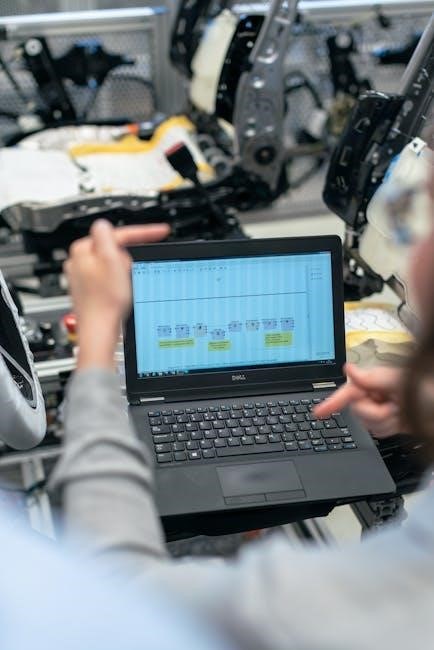
The manual details generating comprehensive reports detailing pass/fail criteria, deviations, and statistical process control (SPC) data․ Customizable report templates allow tailoring output to specific requirements․ Automation minimizes human error and provides consistent, repeatable results․ Efficient reporting facilitates data-driven decision-making and continuous improvement in manufacturing processes, ensuring product quality and reducing waste․
Dynamic Probe Calibration & Compensation
Achieve unparalleled accuracy! The Renishaw probe programming manual PDF explains dynamic probe calibration techniques, compensating for thermal expansion, machine drift, and probe wear during lengthy operations․ This ensures consistent measurement accuracy throughout the entire inspection process․ Learn to implement in-process calibration routines, automatically adjusting probe parameters based on real-time conditions․
The manual details utilizing software features to model and compensate for machine kinematic errors․ This minimizes systematic errors and improves overall part accuracy․ Dynamic compensation significantly reduces the need for frequent manual recalibration, maximizing uptime and productivity․ Mastering these techniques unlocks the full potential of your Renishaw probe, delivering superior measurement results․

Safety Precautions & Best Practices
Prioritize safety! The manual details proper probe handling, collision avoidance, emergency stops, and maintenance—crucial for preventing machine damage and ensuring operator well-being․
Probe Handling & Maintenance
Delicate Care is Key: Renishaw probes, representing precision engineering, demand careful handling to maintain accuracy and longevity․ The programming manual emphasizes storing probes in their designated protective cases when not in use, shielding them from dust, moisture, and physical impacts․
Regular Inspection is Vital: Consistent visual inspections are recommended to identify any signs of damage – cracks, bent styli, or loose connections․ Cleaning should be performed gently with compressed air or a soft, lint-free cloth, avoiding harsh solvents․
Styli Management: Proper styli installation and tightening are crucial; over-tightening can damage the probe․ The manual provides torque specifications for different styli types․ Periodic calibration checks, as outlined in the documentation, are essential to ensure continued measurement reliability․ Following these guidelines maximizes probe performance and minimizes downtime․
Avoiding Collisions & Machine Damage
Prioritize Safety: The Renishaw probe programming manual strongly emphasizes collision avoidance as paramount for both probe and machine tool preservation․ Thoroughly simulate probe paths offline using CAM software before execution, meticulously checking for potential interferences with workpieces, fixtures, or machine components․
Parameter Verification: Double-check all programmed parameters – probe offsets, speeds, and feed rates – to ensure they align with the specific application and machine capabilities․ Utilize the manual’s guidance on safe probing strategies, like retracting the probe frequently during long scanning operations․
Emergency Preparedness: Familiarize yourself with emergency stop procedures and implement them immediately if any unexpected behavior is observed during probing cycles․ Regular machine maintenance and proper guarding contribute significantly to a safe operating environment․
Emergency Stop Procedures
Immediate Action is Key: The Renishaw probe programming manual details critical emergency stop procedures for safeguarding personnel and equipment․ In any situation exhibiting unexpected probe behavior, erratic machine movements, or unusual sounds, immediately activate the machine’s emergency stop button․
Post-Stop Assessment: Following an emergency stop, do not attempt to resume operation without a thorough investigation․ Carefully analyze the program, probe setup, and machine state to identify the root cause of the issue․ Consult the manual for diagnostic guidance․
Qualified Intervention: If the cause remains unclear, or if any damage is suspected, contact qualified machine tool or Renishaw support personnel before restarting․ Prioritize safety and prevent further complications․