Leatherworking in Cataclysm Classic provides diverse leather and mail gear across all phases. This comprehensive guide details gear, training, and profitable crafting opportunities for aspiring Leatherworkers.
Overview of the Profession
Leatherworking is a crafting profession focused on working with leather and scales to create armor, and useful items. In Cataclysm Classic, it uniquely crafts both leather and mail armor, broadening its appeal. It’s a highly profitable skill due to consistent demand for crafted gear and materials. Mastering Leatherworking involves skinning beasts for raw materials, processing them into usable leathers, and then utilizing recipes to create valuable equipment. This guide will navigate you through leveling, specializations, and maximizing profits within this dynamic profession.
Why Choose Leatherworking? (Profitability & Gear)
Leatherworking stands out for its exceptional profitability, boasting the highest number of lucrative recipes in Cataclysm Classic. Beyond gold, it provides access to both leather and mail armor, catering to a wider range of classes. Leatherworkers can craft valuable enchants, enhancing gear for themselves and others. The consistent demand for leather, scales, and crafted items ensures a steady income stream, making it an excellent choice for players seeking both utility and financial gain.
Leveling Leatherworking 1-375
Leveling Leatherworking involves efficient paths utilizing readily available recipes, focusing on skinning synergy for early gains and specializing as you progress to 375.
Early Leveling (1-75): Focusing on Skinning Synergy
Begin your Leatherworking journey by maximizing synergy with Skinning. This is the most cost-effective method for levels 1-75. Focus on skinning beasts in low-level zones to acquire Rugged Leather, the primary material needed for early recipes. Prioritize crafting items like Leather Armor and simple pouches. Efficiently utilizing skinning minimizes gold expenditure and accelerates your leveling process. Remember to consistently check auction house prices to potentially sell excess leather for profit, supplementing your leveling funds and establishing a small income stream.
Mid-Leveling (75-225): Utilizing Common Leathers
As you progress from 75 to 225, shift towards utilizing commonly available leathers like Sturdy, Tough, and Reinforced. These are readily obtainable through skinning or the Auction House. Focus on crafting mid-tier armor pieces and bags, fulfilling consistent demand. Consider diversifying into crafting mail armor components if the market allows. Regularly compare crafting costs with Auction House prices to ensure profitability. Efficient material acquisition and smart recipe choices are key to smooth progression during this phase.
Late Leveling (225-375): Specialization and Rare Materials
Reaching 225 unlocks specializations – Elemental, Tribal, and Dragonscale. Choose one aligning with your goals. This phase demands rare leathers like Frosthide, Rugged, and especially Dragonscale. Focus on recipes tied to your specialization, crafting higher-tier gear. Auction House monitoring becomes crucial for both material sourcing and selling crafted items. Expect increased competition and refine your strategies for maximizing profit. Mastering this stage requires dedication and market awareness.
Cataclysm Leatherworking Specializations
Leatherworking offers three specializations: Elemental, Tribal, and Dragonscale. Each path unlocks unique recipes and crafting styles, catering to diverse player preferences and gear needs.
Elemental Leatherworking
Elemental Leatherworking focuses on crafting gear imbued with the power of the elements – Fire, Water, Air, and Earth. This specialization allows Leatherworkers to create items with unique stat combinations and effects, appealing to players seeking specialized builds. It’s known for producing powerful, though sometimes niche, gear. Mastering this path requires gathering specific elemental materials, often found in challenging zones. Expect to craft items favored by spellcasters and those prioritizing elemental resistance or damage output. It provides a distinct crafting identity within Leatherworking.
Tribal Leatherworking
Tribal Leatherworking centers around crafting gear inspired by the primal cultures of Azeroth, emphasizing resilience and raw power. This specialization utilizes unique hides and crafting techniques, resulting in durable and visually striking armor. Leatherworkers choosing this path often focus on crafting items favored by hunters, shamans, and druids. Expect to work with materials sourced from challenging wildlife and remote regions. It’s a solid choice for those seeking consistent demand and reliable profits, offering a distinct aesthetic.
Dragonscale Leatherworking
Dragonscale Leatherworking represents the pinnacle of leather crafting, focusing on incredibly rare and powerful dragonhide materials. This specialization allows Leatherworkers to create exceptionally potent armor, sought after by raiders and PvP enthusiasts alike. Mastering Dragonscale requires significant investment and access to challenging content. Expect high material costs but also substantial profits due to the gear’s desirability. It’s a prestigious path, offering the highest potential rewards for dedicated crafters.

Key Recipes and Crafted Gear
Leatherworking unlocks diverse armor recipes – leather and mail – throughout leveling. Mastering these recipes is crucial for both personal gear and profitable sales opportunities.
Leather Armor Recipes (Levels 1-375)
Early leatherworking focuses on basic recipes like Rugged Leather Armor, crafted from readily available materials. As skill increases, Sturdy Leather Armor and Durable Leather Armor become accessible, offering improved stats. Mid-level crafting introduces recipes utilizing Heavy Leather, leading to sets like Stormweave Leather. Later, Primal Leather unlocks higher-tier options. Efficient leveling prioritizes recipes with low material costs and high skill gains, maximizing profit and minimizing resource expenditure throughout the progression.
Mail Armor Recipes (Levels 1-375)
Leatherworking also enables crafting mail armor, appealing to Hunters and Warlocks. Early recipes include Rough Hide Mail, utilizing basic hides. Progressing unlocks Sturdy Hide Mail and Durable Hide Mail, offering stat improvements. Mid-level crafting introduces Heavy Hide Mail, leading to sets like Stormweave Mail. Later, Primal Hide unlocks superior options. Prioritizing efficient recipes with minimal costs and substantial skill gains is crucial for maximizing profit and leveling speed.
High-Level Crafted Gear (Post-375)
Beyond skill 375, Leatherworking unlocks potent gear. Dragonscale Leatherworking becomes paramount, crafting items like the coveted Dragonscale Spaulders and Dragonscale Leggings. Elemental Leatherworking offers unique stat combinations, while Tribal Leatherworking provides distinct aesthetics. Mastering these specializations is key to creating BiS (Best in Slot) pre-raid gear. Focusing on rare materials and understanding market demand ensures substantial profits from high-end crafted items.
Profitable Leatherworking Items
Leatherworking excels in profitability! Selling leather, scales, and crafted enchants generates significant gold. Consumables also provide consistent income for diligent Leatherworkers.
Leather and Scale Sales
Raw material sales form a cornerstone of Leatherworking profits in Cataclysm Classic. Consistently selling common leathers like Rugged and Sturdy, alongside more valuable options such as Devilsaur and Frosthide, provides a steady income stream. Dragonscales, particularly, command high prices due to their rarity and demand for Dragonscale Leatherworking. Monitoring auction house prices is crucial; fluctuations dictate optimal selling times. Efficiently gathering and processing materials maximizes returns, establishing a reliable foundation for your Leatherworking endeavors.
Enchants for Leatherworking
Leatherworking unlocks access to potent enchants, representing a significant profit avenue in Cataclysm Classic. Specifically, crafting rare and epic enchants for legs is highly lucrative, catering to a broad range of classes and builds. Regularly checking auction house demand and competitor pricing is essential for maximizing sales. Mastering these enchant recipes and efficiently sourcing required materials ensures consistent income, solidifying your position as a sought-after enchanter within the community.
Consumables Crafted by Leatherworkers
While primarily focused on armor, Leatherworking in Cataclysm Classic also offers consumable crafting opportunities. These often involve items utilizing crafted leather components, providing supplemental income streams. Identifying niche consumables with limited competition is key to profitability. Regularly monitoring raid and dungeon needs can reveal demand spikes for specific leather-based consumables, allowing for strategic crafting and auction house listings. Diversifying beyond armor ensures a stable revenue flow.
Materials Needed for Leatherworking
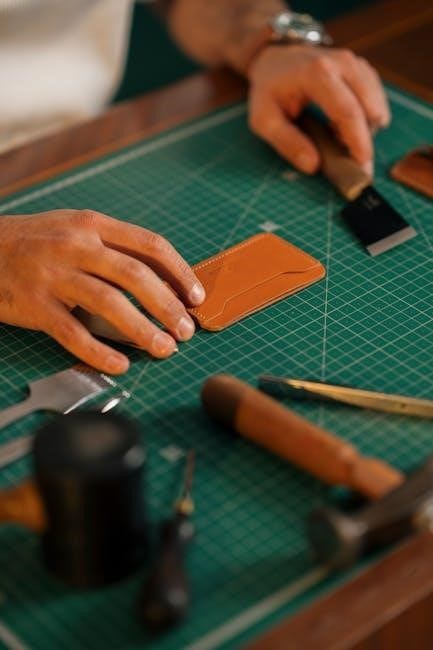
Leatherworking requires various leathers – rugged, sturdy, and rare types like devilsaur and frosthide – alongside scales such as dragonscale, for crafting diverse gear.
Common Leathers (Rugged, Sturdy, etc.)
Common leathers form the backbone of early and mid-level Leatherworking in Cataclysm Classic. Rugged Leather, readily available from skinning beasts, is crucial for levels 1-75. Sturdy Leather follows, becoming essential from 75-150, sourced from higher-level creatures. Thick Leather then takes prominence, utilized extensively between levels 150-225. Finally, Reinforced Leather is vital for progressing towards 225-300, requiring consistent farming and efficient skinning practices. Mastering the acquisition of these base materials is key to efficient leveling and profitability.
Rare Leathers (Devilsaur, Frosthide, etc.)
Rare leathers significantly boost crafting potential in Cataclysm Classic, though acquisition demands dedication. Devilsaur Leather, notoriously difficult to farm, is highly sought after for powerful gear. Frosthide Leather, obtained in colder zones, provides unique properties. Heavy Hide, sourced from specific beasts, is also valuable. These materials unlock superior recipes, offering substantial profit margins. Consistent farming, auction house monitoring, and understanding market demand are crucial for maximizing returns from these coveted resources.
Scales (Dragonscale, etc.)
Dragonscale and other scales represent premium materials for high-end Leatherworking in Cataclysm Classic. Dragonscale Leather, exceptionally rare, is essential for crafting the most potent armor and items. Obtaining these scales requires dedicated farming of specific dragons and challenging encounters. Their scarcity drives up market prices, offering substantial profit potential. Mastering scale acquisition and efficient crafting is key to maximizing returns and dominating the late-game Leatherworking economy.
Gathering Materials: Skinning
Skinning is crucial for Leatherworking, providing essential hides. Efficient skinning, utilizing appropriate knives, and targeting optimal zones maximizes material acquisition for crafting.
Skinning Skill and Leveling
Skinning directly complements Leatherworking, offering a self-sufficient material source. Leveling Skinning alongside Leatherworking is highly recommended, ensuring a steady supply of hides. Focus on skinning creatures appropriate for your skill level to avoid graying out and wasted attempts. Early zones like Mulgore (for Tauren) or Elwynn Forest (for Humans) provide ample opportunities.
Prioritize skinning every beast you encounter while leveling, even if you don’t immediately need the materials. This builds skill quickly and establishes a resource stockpile. Remember that higher-level zones yield more valuable hides, but require a correspondingly higher Skinning skill.
Best Zones for Skinning
Choosing the right zones significantly impacts Skinning efficiency. For levels 1-30, Elwynn Forest (Alliance) and Mulgore (Horde) are excellent starting points, teeming with easily skinnable beasts. Levels 30-40 benefit from Westfall and Durotar, offering increased hide variety.
As you progress, zones like Nagrand (Outland) and Sholazar Basin (Northrend) become prime locations for rare and valuable hides. Consider zones with high beast density and minimal player competition for optimal farming. Remember to check auction house prices before focusing on a specific zone.
Skinning Knives and Their Benefits
Investing in a quality skinning knife is crucial for efficient material gathering. Basic skinning knives are available from vendors, but upgrading offers significant advantages. Better knives increase skinning speed, reducing the time spent per beast. Some knives even grant a chance to obtain extra hides or materials.
Look for knives with the “Skinning Skill” bonus to improve your overall Skinning proficiency. Regularly upgrading your knife as your skill increases maximizes your resource acquisition and profitability;
Leatherworking Trainers and Locations
Locating Leatherworking trainers is essential for learning new recipes and advancing your skill. Trainers are found in major cities, offering skill increases for a gold fee.
Finding Leatherworking Trainers
Embarking on your Leatherworking journey requires locating skilled trainers throughout Azeroth. Initially, Orgrimmar (for Horde) and Stormwind (for Alliance) host trainers for levels 1-75. As you progress, seek out trainers in larger cities like Dalaran (Northrend) for skills up to 375. Remember to check Wowhead or other resources for precise trainer locations and names, as they can sometimes be within specific buildings or districts. Regularly visiting trainers is crucial for unlocking new recipes and maximizing your Leatherworking potential throughout Cataclysm Classic.
Trainer Costs and Skill Increases
Training Leatherworking involves a gold cost that increases with each skill increment. Early training (1-75) is relatively inexpensive, typically costing a few gold per skill point. However, as you approach higher skill levels, the gold requirement rises significantly. Each trainer visit usually grants five skill points, but this can vary. Be prepared to accumulate substantial gold, especially when leveling from 225 to 375, to efficiently maximize your Leatherworking skill and unlock advanced recipes.
Leatherworking Daily Quests
Daily quests offer reputation gains and valuable materials for Leatherworkers, enhancing profession skill and providing resources for crafting sought-after items.
Daily Quests for Reputation and Materials
Leatherworking daily quests primarily focus on providing materials and bolstering reputation with specific factions. These quests often involve crafting items for NPCs or delivering crafted goods to designated locations. Completing these tasks consistently yields valuable rewards, including access to new recipes and increased skill points. Furthermore, the reputation gained unlocks unique opportunities, such as purchasing exclusive patterns or obtaining rare crafting components. Prioritizing daily quests is a crucial element for efficient progression and maximizing profitability within the Leatherworking profession in Cataclysm Classic.
Benefits of Completing Daily Quests
Consistent completion of Leatherworking daily quests offers substantial advantages. Players gain access to new, exclusive recipes unavailable through other means, accelerating skill progression. Reputation increases unlock unique patterns and rare material purchases, boosting crafting potential. Beyond recipes, quests provide a steady income stream of valuable materials, reducing reliance on the Auction House. Ultimately, diligent questing enhances both crafting capabilities and profitability, making it a cornerstone of successful Leatherworking in Cataclysm Classic.
Maximizing Leatherworking Profit
Effective profit strategies involve Auction House mastery, understanding market demands, and utilizing addons for precise price tracking to capitalize on profitable opportunities.
Auction House Strategies
Mastering the Auction House is crucial for Leatherworking profitability. Regularly scan for underpriced materials – rugged leather, sturdy leather, and scales – to acquire them cheaply for crafting and resale. Monitor crafted item prices, identifying gaps between material cost and potential profit. Utilize auctioning addons to automate listing and undercut competitors strategically. Consider selling in stacks to attract buyers, and relist items during peak player activity for maximum visibility. Patience and consistent monitoring are key to maximizing returns.
Understanding Market Demand
Successful Leatherworking hinges on anticipating demand. Raid progression drives demand for high-level crafted gear, particularly during new content releases. PvP seasons increase the need for resilient leather armor. Regularly check which items are selling quickly and at high prices on your realm. Pay attention to class needs; certain specs consistently require specific crafted pieces. Adapt your crafting focus based on these trends to capitalize on profitable opportunities and minimize wasted materials.
Utilizing Addons for Price Tracking
Addons are crucial for efficient market analysis. TradeSkillMaster (TSM) is a powerful tool for tracking auction house prices, identifying profitable crafting opportunities, and automating posting. Auctioneer provides detailed price history and market data. Regularly scan these tools to determine optimal selling times and avoid undercutting wars. Monitoring material costs is equally vital; addons help ensure your profits remain consistent despite fluctuating prices, maximizing your Leatherworking income.
Season of Discovery Phase 3 Leatherworking
Phase 3 caps Leatherworking at 300, introducing new crafting options and Sunken Temple-inspired gear, offering unique styles and opportunities for Leatherworkers.
New Crafting Opportunities
Season of Discovery’s Phase 3 dramatically alters Leatherworking, presenting exciting new crafting avenues. The skill cap reduction to 300 focuses crafting efforts, streamlining progression. Players can now create unique gear specifically themed around the Sunken Temple raid, offering distinct aesthetics and potentially powerful stats. This phase encourages experimentation with materials and recipes, rewarding Leatherworkers who adapt to the changed landscape. Expect a shift in market demand as players seek these exclusive, raid-inspired crafted items, creating profitable niches for skilled artisans.
Sunken Temple Inspired Gear
Phase 3 introduces visually striking gear sets crafted by Leatherworkers, directly inspired by the aesthetics of the Sunken Temple raid. These items aren’t merely reskins; they offer unique appearances reflecting the underwater theme. Expect to see scaled armor, coral adornments, and designs evoking the temple’s ancient inhabitants. While stats are still being evaluated, these pieces are highly sought after for transmogrification, creating a strong market demand. Mastering the recipes for this gear is crucial for maximizing profit during this phase.
Skill Cap of 300
Season of Discovery’s Phase 3 significantly alters Leatherworking by capping the skill at 300. This change impacts leveling strategies, as exceeding 300 yields no further benefit. Focus shifts towards mastering recipes available within this new limit. While previously aiming for 375, players now concentrate on optimizing crafting at 300, particularly the Sunken Temple-inspired gear. This adjustment encourages specialization and efficient material usage, reshaping the profession’s progression.
Leatherworking and Other Professions
Leatherworking synergizes well with Mining and Herbalism for material acquisition. Trading with other professions unlocks access to unique crafting components and boosts profits.
Synergies with Mining and Herbalism
Leatherworking benefits significantly from pairing with Mining and Herbalism. Mining provides the ores needed for smelting, crucial for creating various metal components used in mail armor recipes. Herbalism offers valuable herbs for crafting potent enchants that enhance leather and mail gear, increasing their market value.
Gathering these resources yourself reduces reliance on the Auction House, lowering crafting costs and maximizing profits. A self-sufficient Leatherworker, skilled in all three professions, enjoys a considerable economic advantage within Cataclysm Classic.
Trading with other Professions
Leatherworking thrives on collaboration with other professions in Cataclysm Classic. Jewelcrafters provide gems to socket into crafted gear, boosting their stats and appeal. Enchanting enhances armor with powerful effects, increasing demand. Blacksmiths and Tailors can supply materials or crafted items for cross-profession recipes.
Establishing trade relationships with these professions ensures a steady supply of necessary components and opens avenues for mutually beneficial profit opportunities within the game’s economy.
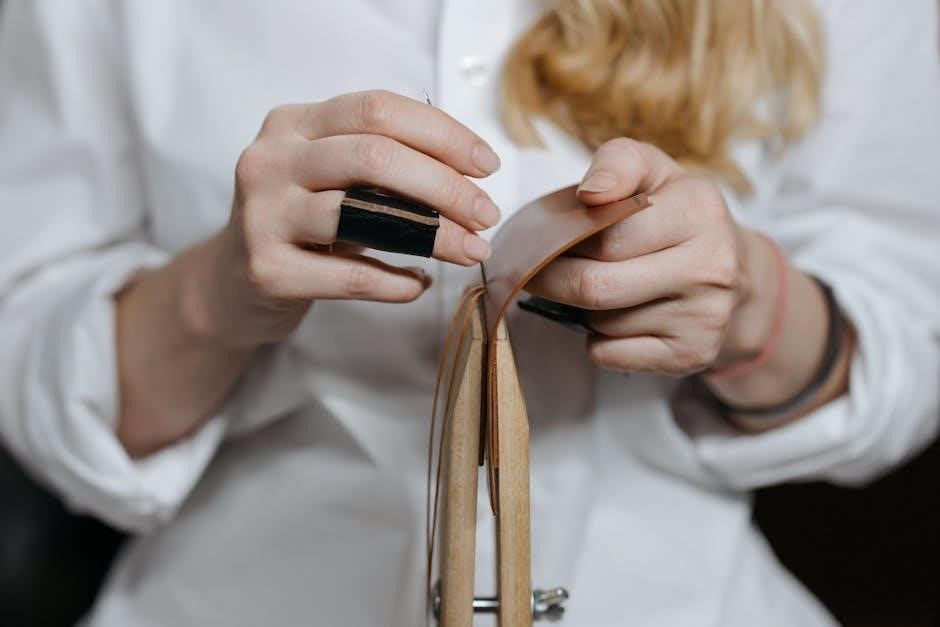
Tips and Tricks for Efficient Leatherworking
Mastering recipe knowledge and effectively managing materials are crucial for maximizing Leatherworking efficiency and profit in Cataclysm Classic.
Recipe Knowledge and Learning
Expanding your recipe knowledge is paramount for success. While trainers offer a base set, many recipes are discovered through random drops or purchased on the Auction House. Prioritize learning recipes that utilize readily available materials, especially during early leveling. Regularly check the Auction House for affordable, essential recipes. Don’t underestimate the value of researching which recipes yield the highest profit margins, adapting your learning path accordingly to maximize your gold-making potential within Cataclysm Classic’s dynamic economy.
Managing Materials Effectively
Efficient material management is crucial for profitable Leatherworking. Utilize bank alts to store excess resources, preventing clutter and facilitating organized crafting. Prioritize purchasing materials in bulk when prices are low, anticipating future demand. Track material costs diligently to identify profitable crafting opportunities. Consider investing in Leatherworking-specific addons to streamline inventory and automate purchasing, maximizing efficiency and minimizing wasted time and gold in Cataclysm Classic.