Understanding the QuickVue Rapid Strep Test
The QuickVue Rapid Strep Test swiftly detects Group A Streptococcus‚ aiding quick diagnoses․ Caching directives‚ like ‘no-cache’‚ impact data retrieval‚ mirroring test precision․
What is the QuickVue Rapid Strep Test?
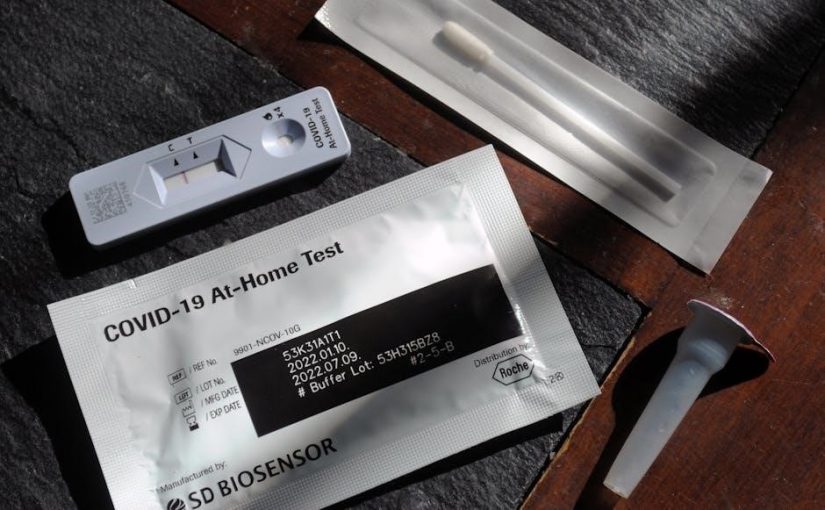
The QuickVue Rapid Strep Test is a lateral flow immunoassay designed for the qualitative detection of Streptococcus pyogenes antigens directly from throat swabs․ Much like HTTP caching directives – ‘no-cache’ ensuring fresh data – this test prioritizes immediate‚ reliable results․ It’s a diagnostic tool used to quickly identify strep throat‚ aiding in timely treatment decisions․ The test’s simplicity allows for use in various settings‚ from physician offices to school nurse stations․ Understanding caching‚ and this test‚ involves recognizing the need for current‚ accurate information․
How Does the QuickVue Strep Test Work?
The QuickVue Strep Test utilizes immunochromatographic technology․ A throat swab sample is mixed with a reagent‚ then applied to a test device․ If Streptococcus pyogenes antigens are present‚ they bind to antibodies on the test strip‚ creating a visible line․ This process mirrors how ‘no-cache’ directives force a server request‚ ensuring the latest data․ The test detects specific antigens‚ offering a rapid diagnosis․ Like minimizing filesystem caching with ‘nocache’ tools‚ the test focuses on direct detection‚ bypassing lengthy cultures․

Preparing for the QuickVue Strep Test
Proper preparation ensures accurate results‚ akin to setting correct ‘Cache-Control’ headers․ Gather materials and prioritize patient comfort for a smooth testing experience․
Gathering Necessary Materials
Essential components for the QuickVue Rapid Strep Test include the test device itself‚ a sterile swab for sample collection‚ and the extraction buffer provided within the kit․ Ensure you have appropriate personal protective equipment (PPE)‚ such as gloves‚ to maintain sterility and prevent contamination․
A clean‚ flat surface is also necessary for performing the test․ Consider having a timer readily available to accurately track the required incubation period․ Just as ‘no-cache’ directives require specific settings‚ each material’s integrity is vital for reliable outcomes․ Finally‚ proper disposal containers for biohazardous waste are crucial post-testing․
Ensuring Patient Comfort
Prioritize a calm and reassuring environment for the patient․ Explain the procedure clearly‚ detailing the brief discomfort of the throat swab․ Encourage them to relax their throat muscles for easier sample collection․ Similar to minimizing filesystem caching with ‘nocache’‚ reducing patient anxiety improves cooperation․
Offer a mirror if the patient desires to observe the process․ Provide tissues for any minor discomfort or drooling․ A gentle and empathetic approach is paramount‚ fostering trust and minimizing apprehension․ Remember‚ a comfortable patient yields a more accurate and less stressful testing experience․
Step-by-Step QuickVue Strep Test Instructions
Follow precise steps: swab collection‚ reagent mixing‚ and sample application to the device․ Like resolving Deferred Binding configurations‚ accuracy relies on correct execution․
Swab Collection Technique
Proper swab technique is crucial for accurate results․ Gently rub the swab over both tonsils and the posterior pharynx‚ avoiding the tongue or uvula․ Ensure adequate sample collection by repeating this process for approximately 10-15 seconds․ Like minimizing filesystem caching effects with ‘posix_fadvise’‚ thoroughness is key․ A sufficient sample ensures the test device receives enough material for reliable detection of Streptococcus antigens․ Discomfort should be minimized‚ and the swab should be collected before any antibiotic treatment begins to avoid false negatives․
Reagent Mixing Procedure
Carefully detach the reagent vial from the QuickVue package․ Firmly insert the vial into the designated port on the test device‚ ensuring a secure connection․ Invert the device several times – typically five to ten – to thoroughly mix the reagent with the sample․ This mixing‚ similar to resolving Deferred Binding configurations‚ is vital for optimal reaction․ Avoid vigorous shaking‚ which could compromise results․ Proper mixing ensures even distribution of the reagent‚ facilitating accurate antigen-antibody interaction and reliable test performance․
Applying the Sample to the Test Device
Immediately after mixing‚ gently depress the reagent vial to release the sample onto the test strip․ Observe as the liquid migrates across the membrane‚ akin to filesystem caching effects minimized by ‘nocache’ tools․ Ensure complete sample application; insufficient volume yields inaccurate results․ Avoid touching the test window․ A clear‚ visible line indicates proper flow․ This process initiates the antigen-antibody reaction‚ crucial for detection․ Timely application‚ like immediate reloading in browsers‚ impacts accuracy and minimizes potential errors․

Interpreting QuickVue Strep Test Results
Result interpretation requires careful observation of line appearance‚ similar to browser responses to ‘no-cache’ directives‚ determining validity and guiding subsequent actions․
Understanding Positive Results
A positive result on the QuickVue Rapid Strep Test‚ indicated by the presence of distinct lines‚ strongly suggests a Streptococcus pyogenes infection․ Like a browser acknowledging a ‘public’ cache directive‚ the test confirms detection․ However‚ consider that false positives can occur‚ mirroring inconsistent caching behavior․ Clinical judgment‚ alongside patient symptoms – such as sore throat and fever – is crucial․ Further investigation‚ potentially a throat culture‚ may be necessary to confirm the diagnosis and guide appropriate antibiotic treatment‚ ensuring accurate patient care‚ similar to verifying data integrity despite caching․
Understanding Negative Results
A negative result on the QuickVue Rapid Strep Test means no Group A Streptococcus was detected‚ akin to a ‘no-store’ cache directive preventing data retention․ However‚ a negative result doesn’t entirely rule out strep throat․ False negatives are possible‚ similar to a browser unexpectedly loading from cache․ If symptoms persist‚ or clinical suspicion remains high‚ a follow-up throat culture is recommended for confirmation․ Consider factors like improper swab technique or early-stage infection‚ mirroring issues with caching mechanisms and data retrieval accuracy․
Understanding Invalid Results
An invalid result‚ indicated by the absence of lines or a control line only‚ signifies the test couldn’t be properly interpreted – comparable to a failed HTTP request․ This often stems from insufficient sample volume‚ incorrect procedure‚ or a defective test device‚ mirroring caching errors․ Repeat the test with a fresh kit and ensure strict adherence to instructions․ Like troubleshooting ‘no-cache’ directives‚ verifying each step is crucial․ If invalidity persists‚ utilize an alternative testing method‚ such as a traditional throat culture‚ for a definitive diagnosis․

Important Considerations & Precautions
Careful handling and storage are vital‚ like managing cache directives․ Age impacts symptom presentation; false results can occur‚ demanding cautious interpretation of outcomes․
Age-Specific Considerations
Pediatric patients often present with classic symptoms like fever‚ sore throat‚ and sometimes stomach pain‚ requiring gentle swab technique․ Adults may experience more subtle presentations‚ potentially including headache or body aches‚ necessitating careful evaluation; False negatives are possible across all ages‚ particularly with low bacterial loads․
Test interpretation should always consider the patient’s clinical picture and age․ Similar to how ‘no-cache’ directives ensure fresh data‚ a repeat test might be needed if initial results don’t align with symptoms․ Proper communication with parents or guardians is crucial for informed decision-making regarding treatment․
Potential for False Positives/Negatives
False positives can occur due to carrier states or recent antibiotic use‚ mimicking caching errors where old data appears new․ False negatives are more common‚ especially early in infection or with inadequate sample collection – akin to a ‘no-store’ directive failing․
Factors like improper swabbing technique or low bacterial load significantly impact accuracy․ Clinical judgment is vital; a negative test doesn’t rule out strep․ Consider follow-up testing‚ like a throat culture‚ if suspicion remains high‚ ensuring reliable results like a properly configured cache․
Storage and Handling of Test Kits
Proper storage is crucial for maintaining test kit integrity‚ similar to cache management․ Store QuickVue kits at room temperature (15-30°C / 59-86°F) and protect from light and humidity․ Do not freeze‚ as this compromises reagent stability․
Inspect kits before use; discard if expired or damaged․ Handle reagents carefully‚ avoiding contamination․ Treat used materials as biohazardous waste․ Following these guidelines ensures accurate results‚ mirroring the importance of correct caching directives for data reliability․
Troubleshooting Common Issues
Addressing test failures‚ like cache errors‚ is vital․ A missing line or weak positive requires retesting with a new kit‚ ensuring accurate diagnosis․
No Line Appears
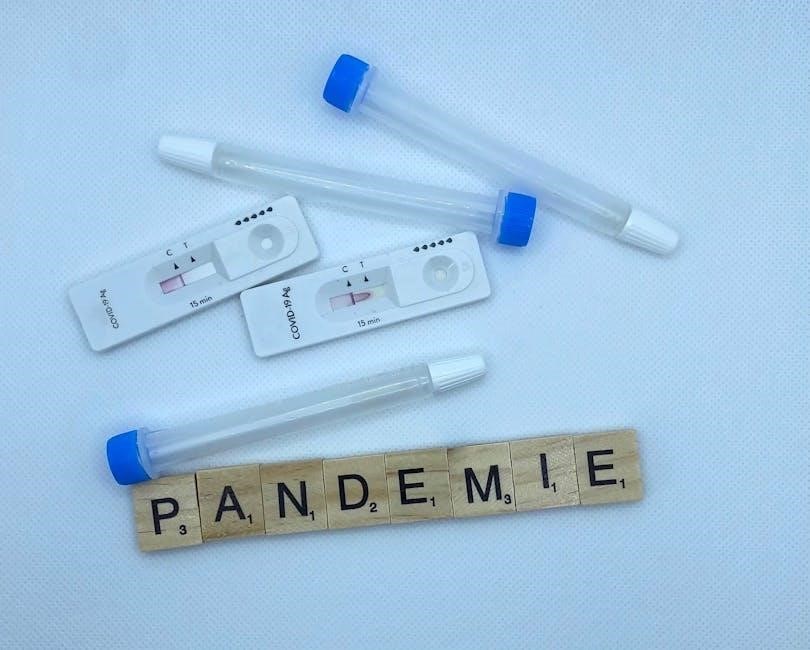
If no line appears in the result window‚ the test is considered invalid․ This could stem from insufficient sample volume collected during swabbing‚ or improper reagent mixing․ Ensure adequate throat swab material is obtained and thoroughly mixed with the provided solution․ Verify the reagent was added correctly‚ following the precise instructions․
Furthermore‚ check the expiration date of the test kit; expired kits yield unreliable results․ A damaged or improperly stored kit can also cause this issue․ Repeat the test with a fresh kit and confirm adherence to all procedural steps․ Consider re-swabbing the patient’s throat to guarantee sufficient sample collection․
Weak Positive Line
A faint or weak positive line requires careful interpretation․ While indicating a potential Streptococcus infection‚ it may represent a low bacterial load or marginal sample collection․ Repeat the test using a fresh swab from the same patient‚ ensuring thorough sampling of the posterior pharynx․
Consider factors like recent antibiotic use‚ which can suppress bacterial growth‚ leading to weaker results․ If the line remains faint on repeat testing‚ a confirmatory throat culture is strongly recommended to definitively diagnose or rule out strep throat․

Post-Test Procedures
Proper disposal of used swabs and test devices is crucial‚ following biohazard protocols․ Accurate documentation and prompt reporting of results are essential for patient care․
Proper Disposal of Test Materials
Following test completion‚ all components—swabs‚ test devices‚ and any associated packaging—must be treated as biohazardous waste․ Discard these materials into appropriately labeled‚ puncture-resistant containers‚ adhering to local‚ state‚ and federal regulations․
Avoid direct contact with used materials․ Consider utilizing disposable gloves during the disposal process for enhanced safety․
Proper waste management minimizes infection risk and ensures environmental responsibility‚ mirroring the careful handling required for accurate test results‚ much like caching directives manage data․
Documentation and Reporting
Meticulous record-keeping is crucial post-test․ Document the patient’s name‚ date of birth‚ test date‚ result (positive‚ negative‚ or invalid)‚ and the operator’s initials․
Follow established protocols for reporting positive results to relevant public health authorities‚ as required by local guidelines․
Accurate documentation‚ similar to reliable caching mechanisms‚ ensures data integrity and facilitates effective disease surveillance‚ aiding in timely interventions and informed healthcare decisions․

QuickVue Strep Test Accuracy & Limitations
Test accuracy‚ like browser caching‚ isn’t absolute․ Sensitivity and specificity determine reliability; factors like improper swabbing can affect results significantly․
Sensitivity and Specificity Explained
Sensitivity reflects a test’s ability to correctly identify those with Strep throat – a high sensitivity minimizes false negatives․ Conversely‚ specificity indicates the test’s accuracy in correctly identifying those without the infection‚ reducing false positives․
Like HTTP caching directives (‘no-cache’ preventing stale data)‚ these metrics aren’t perfect․ A test can’t be 100% sensitive and specific simultaneously․ QuickVue’s performance relies on proper procedure; deviations impact these values․ Understanding these concepts is crucial for interpreting results and guiding clinical decisions‚ acknowledging inherent limitations․
Factors Affecting Test Accuracy
Several factors can influence the QuickVue Rapid Strep Test’s accuracy․ Improper swab technique – insufficient sample or oral contamination – is a primary concern; Recent antibiotic use by the patient may yield false negatives‚ similar to cached data bypassing updates․
Furthermore‚ variations in test kit storage (temperature‚ expiration) and operator interpretation play a role․ Like ‘no-store’ directives aiming for fresh data‚ meticulous adherence to instructions is vital․ Recognizing these influences ensures responsible result interpretation and appropriate follow-up testing when needed․

Alternatives to the QuickVue Rapid Strep Test
Traditional throat cultures offer high accuracy‚ while other rapid tests provide varying sensitivities․ Caching strategies‚ like ‘no-cache’‚ parallel diagnostic approaches․
Traditional Throat Culture
Traditional throat cultures remain the gold standard for diagnosing strep throat‚ involving swabbing the throat and culturing the sample to identify Streptococcus pyogenes․ This method boasts high sensitivity and specificity‚ though results typically take 24-48 hours․ Like managing HTTP cache control with directives like ‘no-cache’ to ensure fresh data‚ throat cultures prioritize accuracy over speed․ While slower than rapid tests‚ they minimize false negatives․ The process requires laboratory analysis and skilled personnel‚ differing from the point-of-care convenience of QuickVue․ Full table scans in databases‚ utilizing ‘NOCACHE’‚ similarly prioritize immediate data flushing for accuracy‚ mirroring the culture’s thoroughness․
Rapid Strep Tests ─ Comparison
Rapid strep tests‚ including QuickVue‚ offer results within minutes‚ utilizing immunologic detection of strep antigens․ Compared to traditional cultures‚ they prioritize speed but may exhibit lower sensitivity‚ potentially leading to false negatives․ Like browser caching influenced by ‘no-store’ directives‚ rapid tests can be affected by variables․ Some tests‚ like those in Chrome‚ respond better to specific settings (‘no-cache’)‚ mirroring QuickVue’s optimized protocols․ While convenient‚ confirmation with a throat culture is recommended for negative rapid tests‚ ensuring diagnostic accuracy‚ similar to verifying data freshness despite caching․

Where to Purchase QuickVue Strep Tests
QuickVue tests are readily available at pharmacies and drugstores‚ plus numerous online retailers‚ offering convenient access for swift strep detection‚ like cached data․
Pharmacies and Drugstores
Local pharmacies and drugstores represent the most accessible avenue for acquiring QuickVue Rapid Strep Tests․ Major chains‚ such as CVS‚ Walgreens‚ and Rite Aid‚ typically stock these tests in their health and wellness sections‚ often alongside other over-the-counter diagnostic tools․ Smaller‚ independent pharmacies frequently carry them as well‚ providing a convenient option for those preferring personalized service․
Inventory levels can vary‚ so calling ahead to confirm availability is advisable․ Pharmacy staff can also offer guidance on proper test usage and interpretation‚ similar to understanding caching directives for optimal data retrieval․ Expect pricing to be consistent across most locations‚ generally ranging from $20 to $30 per test kit․
Online Retailers
Numerous online retailers offer the QuickVue Rapid Strep Test for purchase‚ providing convenience and often competitive pricing․ Amazon is a prominent source‚ frequently featuring various sellers and shipping options․ Walmart’s online platform also stocks the tests‚ alongside other health supplies․ Direct-to-consumer websites specializing in home health diagnostics are another viable option․
When purchasing online‚ carefully review seller ratings and shipping costs․ Consider the ‘no-cache’ directive analogy – ensure a reliable source for accurate results․ Delivery times vary‚ so plan accordingly if a rapid diagnosis is needed․ Prices generally align with pharmacy costs‚ but potential shipping fees should be factored in․
Understanding Strep Throat Symptoms
Recognizing symptoms – sore throat‚ fever‚ and difficulty swallowing – is crucial․ Like ‘no-cache’ ensuring fresh data‚ prompt testing confirms diagnosis and guides treatment․
Common Symptoms in Children
In children‚ strep throat often presents with a sudden‚ severe sore throat‚ pain when swallowing‚ and fever—typically 101°F (38․3°C) or higher․ Red and swollen tonsils‚ sometimes with white patches or streaks of pus‚ are common․
Younger children might also experience stomach pain‚ nausea‚ or vomiting alongside these symptoms․ A sandpaper-like rash‚ known as scarlet fever‚ can develop․ Just as ‘no-cache’ prioritizes current data‚ recognizing these signs quickly enables timely testing and appropriate care‚ preventing complications․
Common Symptoms in Adults
Adults experiencing strep throat typically present with a sore throat‚ often accompanied by pain when swallowing and fever․ Unlike children‚ adults are less likely to experience stomach pain or vomiting․ Redness and swelling of the tonsils‚ potentially with white patches‚ are frequently observed․
Headaches and body aches can also occur․ Similar to how ‘no-store’ prevents caching‚ prompt recognition of these symptoms is crucial for initiating testing and treatment‚ minimizing spread and discomfort․