Equate Blood Pressure Monitor Symbols: A Comprehensive User Manual Guide (Updated 02/27/2026)
This guide deciphers symbols found on Equate monitors, covering readings, errors (like low battery or movement), and advanced features for accurate blood pressure tracking.
Equate blood pressure monitors are designed for convenient and reliable home health monitoring, empowering individuals to proactively manage their cardiovascular well-being. These devices, including the 4500 Series Wrist model, track vital signs like systolic and diastolic blood pressure, alongside pulse rate – crucial indicators of overall health. Understanding the readings and, importantly, the symbols displayed on your Equate monitor is paramount for accurate self-assessment.
Regular monitoring, as highlighted in medical contexts involving consciousness, oxygenation, and circulation, allows for early detection of potential issues. This user manual focuses on decoding these symbols, ensuring you can confidently interpret the information provided by your Equate device; From basic readings to error messages and advanced features, this guide will help you navigate your monitor’s display effectively.
Understanding the Importance of Blood Pressure Monitoring
Regular blood pressure monitoring is a cornerstone of preventative healthcare, enabling early detection of hypertension or hypotension – conditions often presenting without noticeable symptoms. Consistent tracking, facilitated by devices like Equate monitors, provides valuable data for healthcare professionals to assess cardiovascular risk and tailor treatment plans. Monitoring isn’t solely about high readings; understanding fluctuations and trends is equally vital.
As seen in contexts monitoring vital functions like heart rate and circulation, accurate readings are essential. Equate monitors, used alongside clinical assessments, contribute to a comprehensive understanding of a patient’s health. Deciphering the symbols displayed – from error indicators to memory recall – empowers users to interpret results and seek timely medical advice when necessary, promoting proactive health management.
Decoding the Symbols on Your Equate Monitor
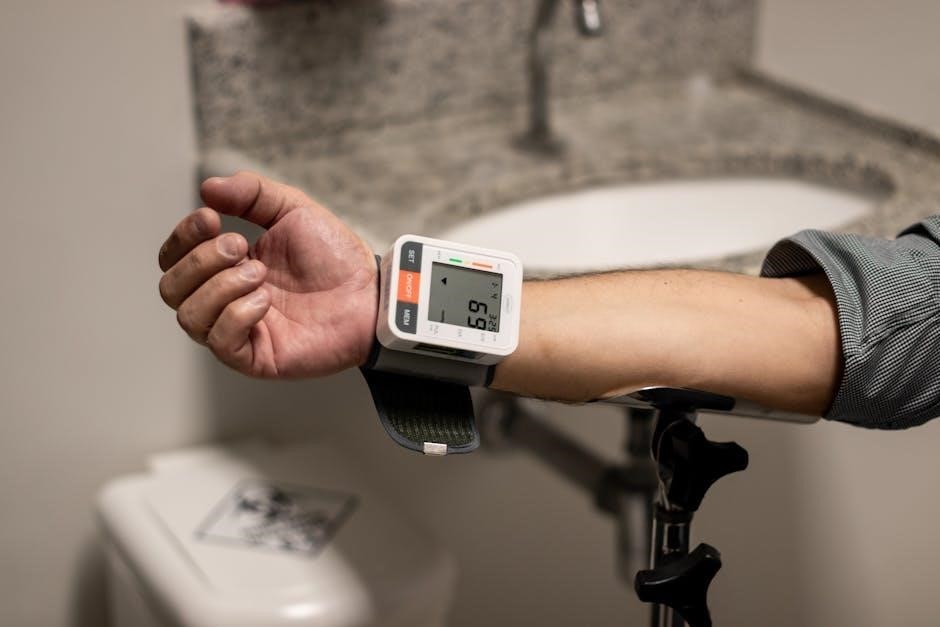
This section details each symbol displayed, explaining its meaning regarding your blood pressure readings, device status, and potential error notifications.
Systolic and Diastolic Readings Symbol
The Equate blood pressure monitor prominently displays two numbers, representing systolic and diastolic pressure, often separated by a slash (/). The systolic reading – the top number – indicates the pressure in your arteries when your heart beats. Understanding this value is crucial for assessing cardiovascular health. Conversely, the diastolic reading – the lower number – measures the pressure in your arteries between heartbeats, reflecting the resistance to blood flow.
These readings are fundamental to evaluating blood pressure dynamics during various stages, including baseline measurements and responses to simulated conditions, as highlighted in research on space flight simulations. Accurate interpretation, alongside monitoring other vital signs like heart rate, is essential for a comprehensive health assessment. Consistent monitoring allows for tracking trends and identifying potential issues.
Pulse Rate Symbol and its Significance
The pulse rate symbol on your Equate monitor displays your heart’s beats per minute (BPM). This vital sign, alongside blood pressure, provides a comprehensive overview of your circulatory system’s function. Monitoring pulse rate is crucial, as deviations from a normal range can indicate underlying health concerns. It’s a key component of assessing overall physiological status, particularly during periods of stress or simulated conditions like space flight, where cardiovascular dynamics are significantly altered.
Regular monitoring, in conjunction with blood pressure readings, helps establish a baseline and identify any irregularities. Changes in pulse rate can signal potential issues requiring medical attention. Accurate readings contribute to a more informed understanding of your cardiovascular health, complementing broader monitoring of consciousness, oxygenation, and ventilation.
Memory Recall Symbol – Storing Your Readings
The memory recall symbol on your Equate blood pressure monitor indicates its ability to store previous readings for trend analysis. This feature is invaluable for tracking your blood pressure over time, allowing you and your healthcare provider to assess the effectiveness of any interventions or lifestyle changes. Consistent monitoring, facilitated by this memory function, provides a more complete picture than isolated measurements.
Stored data assists in identifying patterns and potential anomalies, contributing to proactive health management. The ability to recall past readings is particularly useful when evaluating blood pressure dynamics during various conditions, mirroring the detailed data collection used in research, such as simulations of space flight stages. Regular review of stored data empowers informed healthcare decisions.
Error Symbols: Identifying Potential Issues
Error symbols on your Equate monitor signal potential problems affecting reading accuracy. These aren’t causes for immediate alarm, but require attention. Common errors include low battery, indicated by a specific symbol, necessitating replacement for reliable function. A movement error symbol alerts you to body motion during measurement, demanding a still posture for valid results. Recognizing these symbols is crucial for avoiding misinterpretation of data.
More seriously, an irregular heartbeat symbol may appear, prompting consultation with a doctor. Understanding these indicators, similar to monitoring vital signs like circulation and heart rate, is vital. Ignoring error messages can lead to inaccurate assessments, hindering effective health management and potentially delaying necessary medical intervention.
Low Battery Symbol – What to Do
The low battery symbol, typically represented by a diminishing battery icon, indicates insufficient power to ensure accurate readings. This symbol appears as a warning, not an immediate shutdown, allowing you to complete a current measurement. However, continued use with low battery levels compromises reliability. Immediate action is required: replace the batteries with fresh ones of the correct type, as specified in your Equate monitor’s documentation.
Do not mix old and new batteries, or different battery types. Ensure proper polarity during installation. Ignoring this symbol can lead to inaccurate blood pressure data, potentially impacting health decisions. Consistent battery checks, alongside monitoring vital signs, contribute to dependable results.
Movement Error Symbol – Ensuring Accurate Readings
The movement error symbol, often depicted as a body outline or shaking icon, signifies body motion during blood pressure measurement. Even slight movements can drastically affect accuracy, leading to falsely elevated or lowered readings. To resolve this, remain completely still – avoid talking, crossing legs, or shifting your position – throughout the entire measurement cycle.
Ensure the cuff is comfortably snug, but not overly tight, and positioned correctly on your upper arm. Repeat the measurement if the symbol appears, prioritizing a calm and stable environment. Consistent stillness is paramount for reliable data. Addressing movement errors directly improves the trustworthiness of your Equate monitor’s results.
Irregular Heartbeat Symbol – When to Consult a Doctor
The irregular heartbeat symbol, frequently resembling an erratic pulse wave, indicates the monitor detected an inconsistent rhythm during measurement. While occasional irregularities aren’t always cause for alarm, persistent appearances warrant medical attention. This symbol doesn’t diagnose a condition, but flags a potential concern needing evaluation.

Record the instances when the symbol appears and share this information with your physician. Factors like stress, caffeine, or medication can sometimes cause temporary irregularities. However, consistent detection could signal atrial fibrillation or other cardiac issues. Don’t self-diagnose; professional assessment is crucial for accurate diagnosis and appropriate management.

Specific Equate Monitor Series Symbol Variations
Equate monitors, like the 4500 and 6000 series, may display symbols differently; this section details those variations for accurate interpretation of readings.
Equate 4500 Series Symbol Guide

The Equate 4500 series wrist blood pressure monitor utilizes a specific set of symbols to communicate vital information to the user. Understanding these is crucial for proper operation and accurate health monitoring. A consistently displayed heart symbol indicates the pulse rate, measured in beats per minute, alongside systolic and diastolic blood pressure values.
Error symbols are particularly important. A low battery indicator necessitates immediate battery replacement to ensure reliable readings; A movement error symbol appears if detected motion interferes with measurement accuracy – remain still during readings. An irregular heartbeat symbol signals potential arrhythmia and warrants medical consultation. The memory recall symbol allows access to previously stored readings, aiding in trend analysis. Refer to the full manual for detailed explanations and troubleshooting steps related to these symbols.
Equate 6000 Series Symbol Guide
The Equate 6000 series blood pressure monitors employ a sophisticated symbol system for clear communication. The standard systolic/diastolic reading symbols display blood pressure values, while the pulse rate symbol indicates beats per minute. A key feature is enhanced error detection; the low battery symbol alerts users to replace batteries promptly.
The movement error symbol is more sensitive in this series, emphasizing the need for complete stillness during measurement. An irregular heartbeat symbol, if displayed, suggests potential cardiac irregularities requiring medical evaluation. Additionally, the 6000 series often includes symbols for memory recall, average reading display, and WHO blood pressure classification indicators. Always consult the complete user manual for a comprehensive understanding of each symbol and its implications for your health monitoring.

Advanced Features and Symbol Meanings
Explore features like average readings and WHO indicators, displayed via specific symbols, providing deeper insights into your blood pressure trends and health status.
Average Reading Symbol – Tracking Trends
The Average Reading symbol on your Equate blood pressure monitor is a powerful tool for understanding your blood pressure patterns over time. Instead of focusing on a single reading, which can be influenced by temporary factors like stress or caffeine intake, this feature calculates the average of multiple measurements.
Typically, the monitor will store a set number of previous readings – often the last 30 or 60 – and then compute the average systolic and diastolic values. This averaged result provides a more stable and representative picture of your typical blood pressure. Regularly monitoring your average readings allows you, and your healthcare provider, to identify subtle changes or trends that might warrant further investigation. Consistent tracking helps assess the effectiveness of lifestyle modifications or medication adjustments. Look for a symbol resembling a summation or ‘AVG’ indicator on your monitor’s display when this feature is active.
WHO Indicator Symbol – Blood Pressure Classification
The World Health Organization (WHO) Indicator Symbol on your Equate monitor visually categorizes your blood pressure reading according to internationally recognized standards. This feature simplifies understanding your results by displaying a color-coded or graphically represented classification – such as Normal, Elevated, Stage 1 Hypertension, or Stage 2 Hypertension – directly on the screen.
This classification is based on established guidelines, providing an immediate assessment of your cardiovascular health risk. The WHO indicator removes ambiguity, allowing for quick self-monitoring and informed discussions with your doctor. The symbol often appears as a colored bar or a specific icon corresponding to the blood pressure range. Utilizing this feature promotes proactive health management and encourages timely intervention if readings consistently fall into higher risk categories, aiding in preventative care.
Date and Time Symbol – Setting and Displaying
The Date and Time Symbol on your Equate blood pressure monitor indicates the functionality to set and display the current date and time. Accurate date and time stamping is crucial for tracking blood pressure trends over time and maintaining a reliable record of your measurements. This feature allows for precise correlation of readings with specific activities, medications, or lifestyle changes.
Typically, setting the date and time involves navigating through the monitor’s menu using the ‘Start’ or ‘Set’ buttons. The display will then prompt you to adjust the year, month, day, hour, and minute. Correctly configured date and time enhance the usefulness of the memory recall function, enabling detailed analysis of your cardiovascular health data. Consistent and accurate timekeeping is vital for effective self-monitoring.

Troubleshooting Common Symbol Appearances
Addressing symbol issues—persistent errors or flashing indicators—is key to reliable readings; seek assistance if problems continue, ensuring accurate health monitoring.
Persistent Error Symbols – Seeking Assistance
If error symbols consistently appear on your Equate blood pressure monitor, despite troubleshooting steps like battery replacement or ensuring proper cuff placement, it signals a potential device malfunction. Do not attempt self-repair, as this could compromise accuracy and invalidate any readings. Instead, promptly contact Equate customer support for guidance.
Refer to the contact information provided in the ‘Resources and Further Information’ section of this manual. Be prepared to describe the specific symbol displayed, the circumstances under which it appears, and any steps you’ve already taken to resolve the issue;
Continuing to use a malfunctioning monitor can lead to inaccurate blood pressure measurements, potentially impacting healthcare decisions. Professional assistance ensures correct diagnosis and appropriate treatment plans.
Intermittent Symbol Flashing – Understanding the Message
An intermittently flashing symbol on your Equate blood pressure monitor often indicates a temporary or minor issue, differing from a consistently displayed error. For example, a flashing low battery symbol suggests the batteries are nearing depletion and require replacement soon, but the device is still operational. Similarly, a brief flash of the movement error symbol means slight body motion was detected during measurement.
Pay close attention to the specific symbol and its flashing pattern. Refer to the ‘Decoding the Symbols’ section for detailed explanations. If the flashing ceases after addressing the likely cause (e.g., replacing batteries, remaining still), the monitor is functioning correctly.
However, if the flashing persists, consult the ‘Persistent Error Symbols’ section for further guidance.
Maintaining Your Equate Blood Pressure Monitor
Regular calibration and battery checks are crucial for reliable readings. Proper care ensures accurate symbol displays and consistent performance over time.
Calibration and Accuracy – Ensuring Reliable Results
Maintaining the accuracy of your Equate blood pressure monitor is paramount for dependable health insights; While most Equate monitors are pre-calibrated at the factory, periodic checks are recommended, especially if you suspect inconsistencies in readings or notice unusual symbol behavior. Calibration isn’t typically a user-adjustable function on these devices; however, ensuring the cuff is appropriately sized and correctly applied significantly impacts accuracy.
Consistent cuff placement – centered on your upper arm, with the tubing aligned with your brachial artery – is vital. Avoid movement during measurement, as indicated by potential error symbols. Regularly inspect the cuff for wear and tear, as damage can compromise readings. If concerns persist regarding accuracy, consult the Equate support resources or consider professional verification against a clinically calibrated device. Accurate symbol interpretation relies on a properly functioning monitor.
Battery Replacement Symbol and Procedure
The low battery symbol, typically depicted as a diminishing battery icon, signals the need for replacement to ensure accurate readings. Equate monitors generally require standard AA or AAA batteries, depending on the model. Before replacing, ensure the monitor is switched off. Locate the battery compartment, usually on the back or underside of the device, and gently open it.
Remove the old batteries, noting the correct polarity (+ and -) indicated inside the compartment. Insert new batteries, matching the polarity markings precisely. Close the battery compartment securely. The battery replacement symbol should disappear upon successful installation. Always dispose of used batteries responsibly. A weak battery can lead to inaccurate symbol displays and unreliable blood pressure measurements, impacting health monitoring.

Resources and Further Information
For detailed support, FAQs, and online manuals regarding Equate blood pressure monitors and symbol interpretations, visit the official Equate support website promptly.
Equate Support Contact Information
If you encounter difficulties understanding the symbols displayed on your Equate blood pressure monitor, or require further assistance beyond this user manual, several support channels are available. For immediate help, consider visiting the Walmart website, as Equate is a Walmart brand, and searching their support section for blood pressure monitor FAQs.
You can also attempt to locate a dedicated Equate support phone number through Walmart’s customer service portal. While a direct line isn’t always prominently displayed, their general customer service representatives can often direct you to the appropriate specialist. Remember to have your monitor’s model number (e.g., 4500 or 6000 series) readily available when contacting support, as this will expedite the assistance process. Online chat support may also be an option, providing a convenient way to receive real-time guidance regarding symbol meanings and troubleshooting.
Links to Online User Manuals and FAQs
For comprehensive information beyond this quick guide, several online resources offer detailed Equate blood pressure monitor user manuals and frequently asked questions. Walmart’s website is the primary source, hosting downloadable PDFs for various Equate monitor series, including the 4500 and 6000 lines. These manuals provide in-depth explanations of each symbol, troubleshooting steps, and calibration instructions.
Additionally, third-party websites specializing in medical device support often archive older Equate monitor manuals. A general web search using your specific model number alongside “user manual” or “FAQ” will yield relevant results. Be cautious when downloading from unfamiliar sites, ensuring they are reputable and secure. These resources can clarify symbol meanings, address common error messages, and guide you through proper monitor operation for accurate readings.